Serial Number Location:
For Case 921F Wheel Loaders (produced from 2012 through 2020), the serial number plate is located on the left side of the front frame, near the articulation point just behind the front tire. It is critical to confirm the serial number when ordering parts, especially to distinguish between Tier 4 Interim and Tier 4 Final versions, as emissions systems and control electronics vary.
Key Specifications
Years Manufactured: 2012 – 2020
Engine Model: FPT 6.7L Tier 4 Interim/Final diesel
Net Horsepower: 255 HP @ 2,000 rpm
Displacement: 409 cu in (6.7 L)
Transmission Type: 5-speed Powershift with lock-up torque converter
Hydraulic Pressure: 3,625 psi
Hydraulic Flow Rate: 42.8 gal/min
Operating Weight: Approx. 51,000 – 53,000 lbs
Bucket Capacity: 4.5 – 5.25 cubic yards
Breakout Force: 46,297 lbs
Top Travel Speed: 24.5 mph
Dimensions (L×W×H): Approx. 29.1 ft × 9.9 ft × 11.8 ft
Performance & Design Highlights
FPT 6.7L Tier 4 Power: Delivers excellent torque response with efficient fuel burn and long service intervals under emissions compliance.
Selective Catalytic Reduction (SCR): Tier 4 system eliminates the need for a DPF, reducing downtime and regeneration cycles.
Lock-Up Torque Converter: Provides direct drive for faster acceleration and improved fuel economy under heavy loads.
Comfort-Focused Cab: Includes rear-view camera, adjustable control pod, ergonomic joystick levers, and improved sound insulation.
Advanced Cooling System: Mid-mounted cooling module with reversible fan for easy debris management and cooler operation.
Routine Maintenance
-
Engine Oil & Filter: Replace every 500 hours
-
Fuel Filters: Replace every 500 hours
-
Hydraulic Oil & Filters: Change every 1,000 hours
-
Transmission Fluid & Filters: Replace every 1,000 hours
-
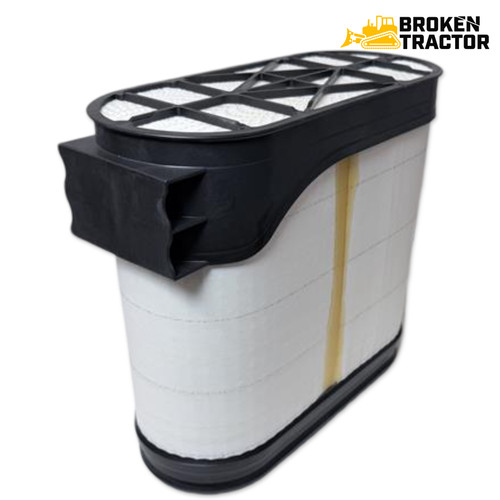
Air Filters: Inspect every 250 hours; replace when restricted
-
Coolant System: Flush every 2,000 hours or annually
-
Brake Fluid: Inspect every 500 hours
Common Issues & Fixes
DEF System Warnings: Usually caused by low-quality fluid or sensor faults—use fresh, ISO-certified DEF and check injector and tank sensors.
Hydraulic Lift Delay: Often caused by clogged return filter or worn pump—replace filters and pressure test hydraulics.
Transmission Hesitation: Calibrate shift solenoids and inspect wiring harness for intermittent shorts or corrosion.
Emissions Fault Codes (SCR): Check NOx sensors and DEF dosing system—software updates may be required for ECM.
Cooling System Overheat: Caused by dirty or restricted cooling module—reverse fan manually and clean fins regularly.
Cab Display or Control Glitch: Reboot CAN bus system and inspect wiring behind dash—replace affected display module if needed.


 See Details



